
The RC car manufacturing process involves several steps, from molding and assembly to quality control and final shipment. For buyers ordering remote control cars in bulk, it is important to understand what happens during each stage. They need to know how the factory makes the cars, checks the parts, and handles quality before the order leaves the factory. Most supplier websites show the price, MOQ, and product details, but they usually do not explain what happens after a buyer places an order.
This guide looks at the production process at JXC Model. These steps can help buyers ask the right questions and avoid problems with a large order.
From Licensed Design to Tooling
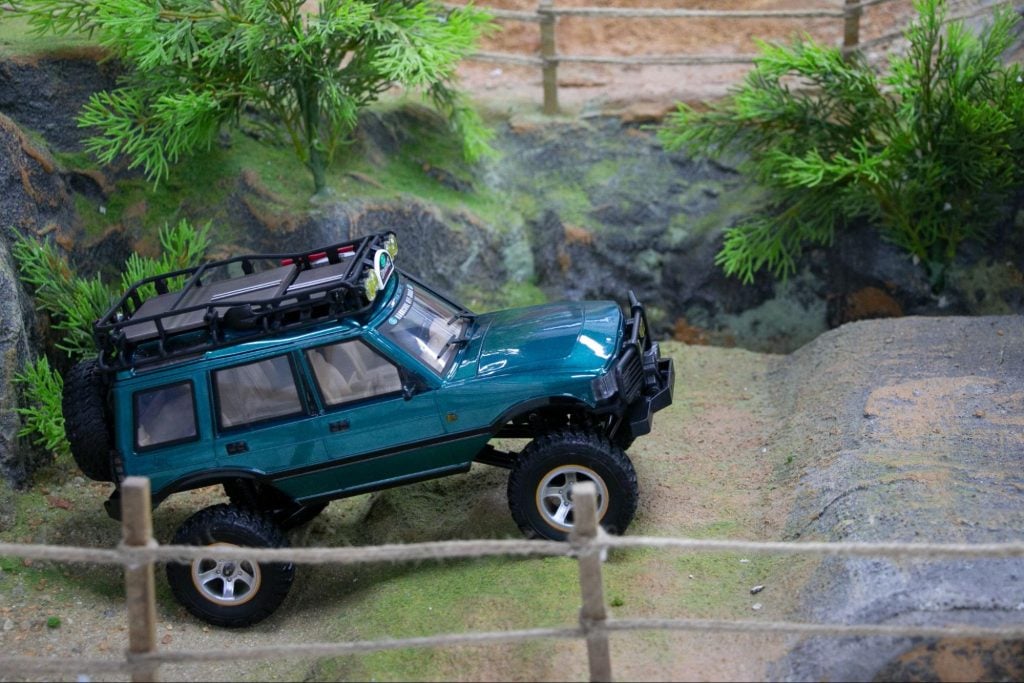
Before any JXC drift or crawler body goes into production, the design has to clear IP approval from the licensing automaker. JXC holds official licensing agreements with Toyota, Land Rover, and Mitsubishi, and for each licensed body, the 1:43 Toyota Supra 1087X drift car, the 1:12 Toyota LC80 Land Cruiser crawler, the Land Rover Discovery RC car, and the vintage Mitsubishi Delica model are developed against the licensor’s approved brand guidelines before a mold is cut.
In licensed toy production generally, this stage runs through several rounds: a concept sketch or digital render goes to the automaker for a brand-compliance review, the licensor requests adjustments to badge placement, proportions, or color accuracy, and only the revised, signed-off version moves to mold engineering.
Licensed RC drift cars and crawlers need automaker approval before production starts. The factory needs the right license to use the car brand’s name, logo, or design. This is important for buyers because an unlicensed RC car can cause problems with customs or the car brand’s legal team. When comparing similar RC models, buyers should ask for the licensing documents for the specific SKU. A factory saying it “works with” a car brand is not enough. Buyers should make sure the exact RC model has the proper approval before placing a bulk order.
Molding the Body
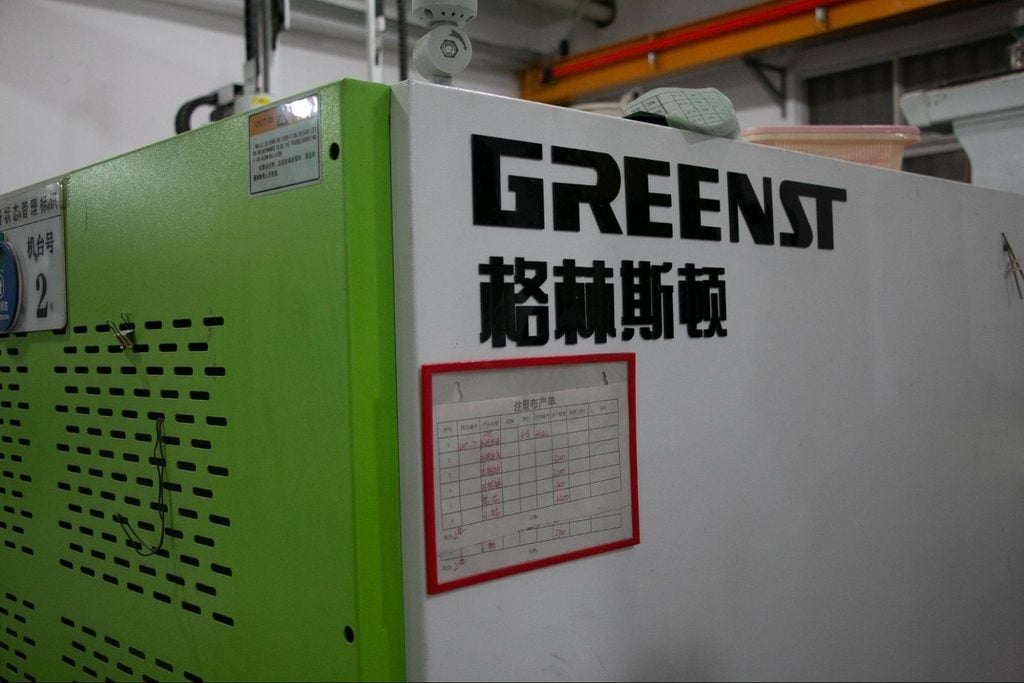
Before the production process, our remote control drifts cars and crawlers mold. We make a steel mold based on the approved body design. After that, our expert team puts the mold in to an injection molding machine. It heats the plastic, and then the plastic cools inside the mold and takes the shape of the RC car body. The machine then removes the finished body shell.
JXC handles this process in-house with 12 injection molding machines instead of sending the work to another factory. In-house molding gives us better control over the RC car manufacturing process and makes design or production changes easier. If the buyer needs to change the color, design of the body, or new branding, then our engineers can make the changes on our machines. Buyers should also ask who owns the mold. They should confirm if the mold is made only for their order or if the factory can use it for other clients. It is important because the same mold could be used to make a similar RC body for another brand.
Electronics & Drivetrain Assembly
After completing the body shell, assembly technicians integrate the chassis, drivetrain, motor, ESC, steering servo, wiring harness, and scale-specific battery compartment. Power configurations are precision-matched across each product line:
- 1/43 Micro Series (Supra, AE86, Porsche): Powered by an ultra-compact 3.7V 300mAh (602030) LiPo battery (5V 300mAh setup).
- Mini Scale Series (Delica): Driven by a 3.7V 14500 (500mAh) cell.
- 1/12 Scale Series (LR1201 / LC1201): Uses a high-capacity 7.4V 18650 pack (2,200mAh to 3,500mAh) for long runtime and sustained power.
Technicians connect, route, and fit all electronic components securely inside the chassis before passing the assembled unit to final quality testing.
Our cars are built with battery packs that carry a UN38.3 test report. The report includes batteries that have met the necessary safety tests for transportation. This is important for buyers, as transport companies require these safety checks before they can ship lithium batteries by air or sea.
During this stage of the RC car manufacturing process, we assemble the main parts before mounting the body shell. The workers build the steering, wiring, and drivetrain and test them on the production line. This allows them to spot and correct problems early. For example, workers can fix a wiring problem, a steering problem, or a loose connector before they put the body shell on. This step can save you headaches after the RC cars are packed and shipped.
RC Car Manufacturing Process: Quality Control and Testing
Our engineers inspect all of our products before shipment. We check the body, wheels, steering, motor, battery, and other components to make sure they are working properly. We also test cars for drops, hard use, electrical safety, and loose or small parts.
These checks help distributors and importers avoid common problems like product damage, safety issues, or rejected shipments. We also ensure the required safety standards for the target market are met. For the US this can mean ASTM F963 and CPSIA requirements. For the European market, reviewing full EU RC toy certification compliance—including EN 71 testing, CE, and RoHS—ensures physical, electrical, and chemical safety requirements are met.
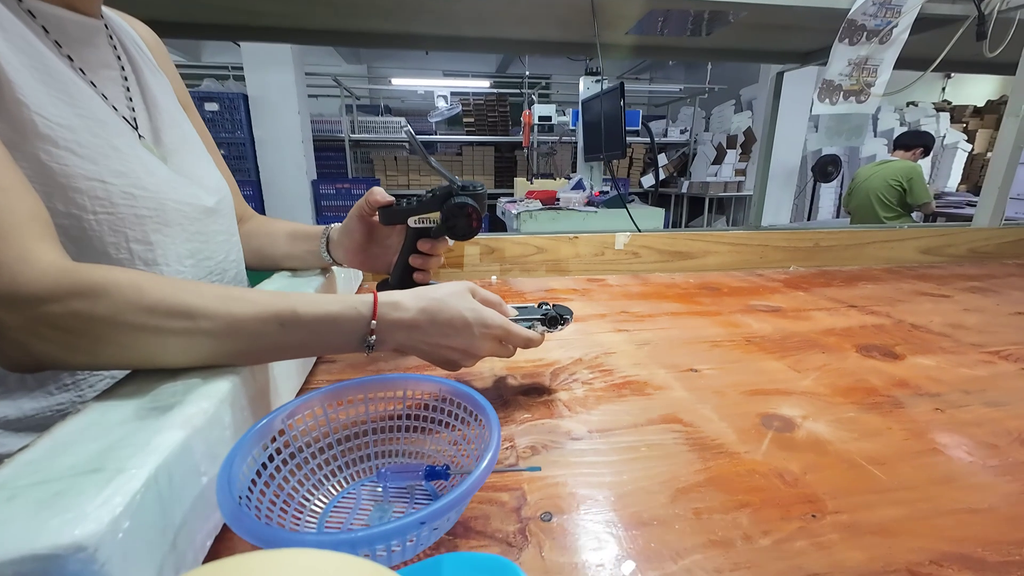
JXC’s inspection sequence runs in four stages.
1- Incoming raw material and component check,
2- Sub-assembly spot inspection during the line run
3- Full function/battery/appearance testing on finished units
4- Batch sampling before packing.
Pre-Shipment Inspection & What Buyers Should Verify at Each Stage
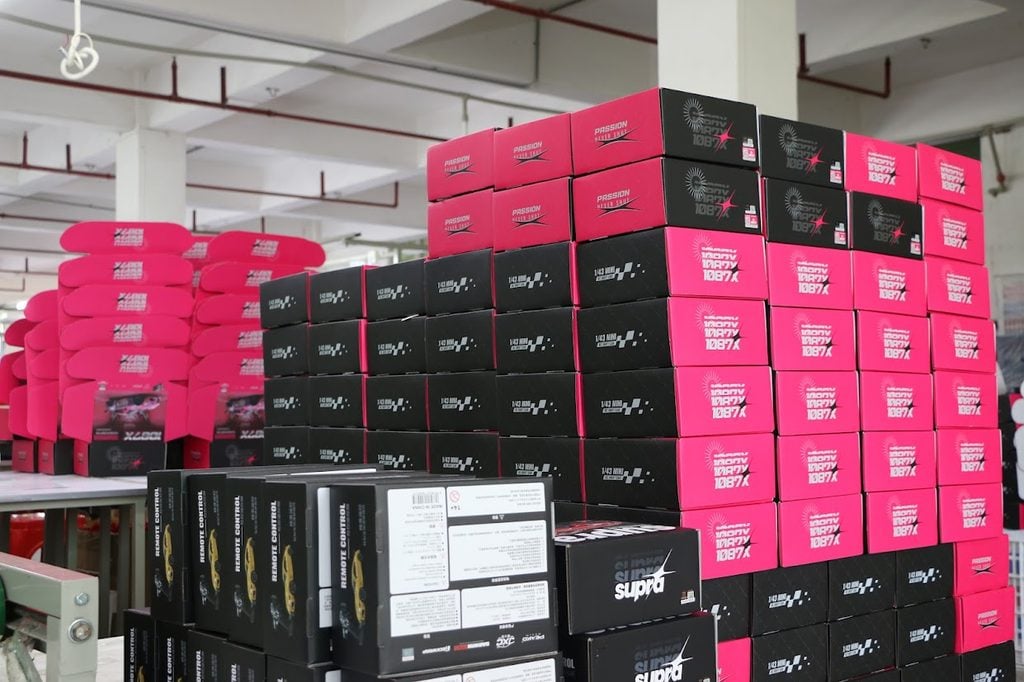
The final stages of the RC car manufacturing process are especially important because many order issues can be identified before the goods reach the port. So, buyers should check the products at different stages instead of waiting for one final quality report.
- At the design and licensing stage: Ask the factory to show the license for the specific RC car. Do not rely only on a general statement about the factory’s licenses.
- In the mold and sample phase: Require a physical sample before mass production. Wholesalers need to check the sample; it can be used by the factory as a standard for mass production.
- At the final QC stage: Ask for the quality report or a QC video of the actual batch. Do not depend only on a general factory quality certificate.
- At the packaging stage: Check the retail packaging before shipment. Refer to the product packaging for the accurate compliance marks, age, and warning labels for your market.
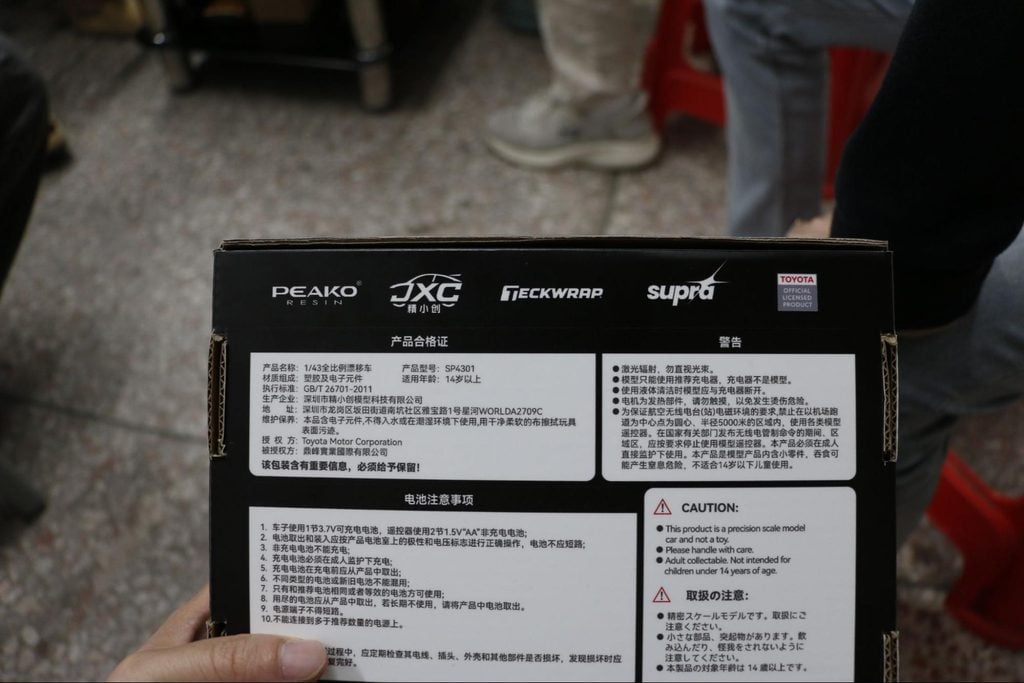
Prior to shipment: Use a third-party inspection company for your first order with a new supplier. The inspection can help you detect problems before the goods leave the factory.
Why Buyers Source RC Cars From China
For B2B buyers, understanding the RC car manufacturing process also makes it easier to compare factories, evaluate quality control, and plan bulk orders.
This can make production easier and faster. JXC has its production facility in Chenghai, Shantou. Chenghai has many companies that work in the toy industry. JXC also has an office in Shenzhen that handles international sales and licensing work. This can help JXC make design changes faster. It can also help the team build and test new samples more quickly.
FAQ
What certifications are important during the RC car manufacturing process?
At a minimum, RC cars should have CE and RoHS for the EU market and FCC for radio safety. For the US, C`PSIA and ASTM F963-23 are important safety standards for children’s products. If you sell in different countries, always check which certifications are needed for each market.
Can a buyer request a factory audit or virtual tour before placing an order?
Most reputable manufacturer arrange live video of the production floor for buyers to evaluate every thing before ordering the bulk RC Car.
Who owns the mold once a buyer pays for OEM tooling?
This depends on the manufacturing agreement. Some factories reserve the tool for exclusive use on the buyer’s orders; others use a shared or amortized-cost arrangement across multiple clients.
Does JXC manufacture RC cars in-house or through subcontractors?
JXC handles key parts of the RC car manufacturing process, including molding and assembly, in-house rather than outsourcing the entire production process to a third-party factory.