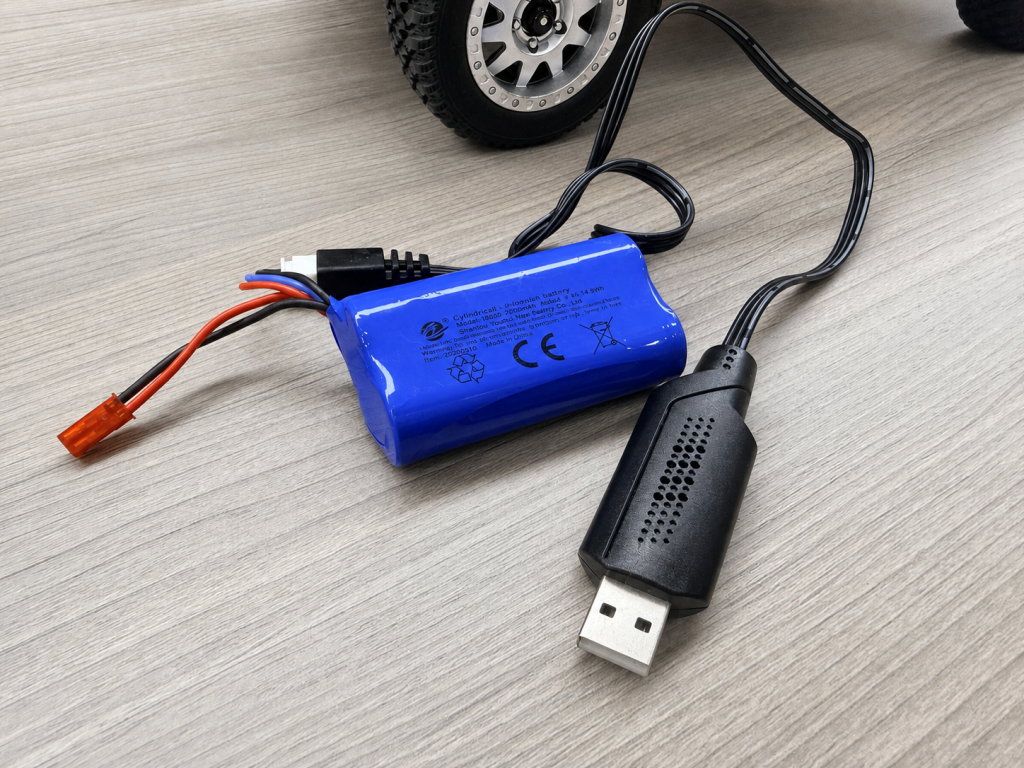

RC car battery shipping follows dangerous goods rules. RC cars with lithium batteries ship as UN3481, Class 9. Every battery needs a UN38.3 test summary. Air shipments have limits on the battery’s power and charge. Sea shipments must follow the IMDG Code. Most delays happen because the paperwork does not match the products, not because of the batteries.
This is something many first-time buyers worry about. Your container arrives, but it cannot move. Someone asks for a document you have never seen before, and storage costs start adding up while you try to find it.
JXC Model ships these products by air and sea every month. We often see the same problem: the battery is usually not the issue. The problem is the paperwork about the battery.
The good news is that you can check the paperwork before the goods leave the factory. In this guide, we will explain how RC car batteries are classified, what changed in 2026, how battery numbers affect shipping, and which documents you should ask for before paying a deposit.
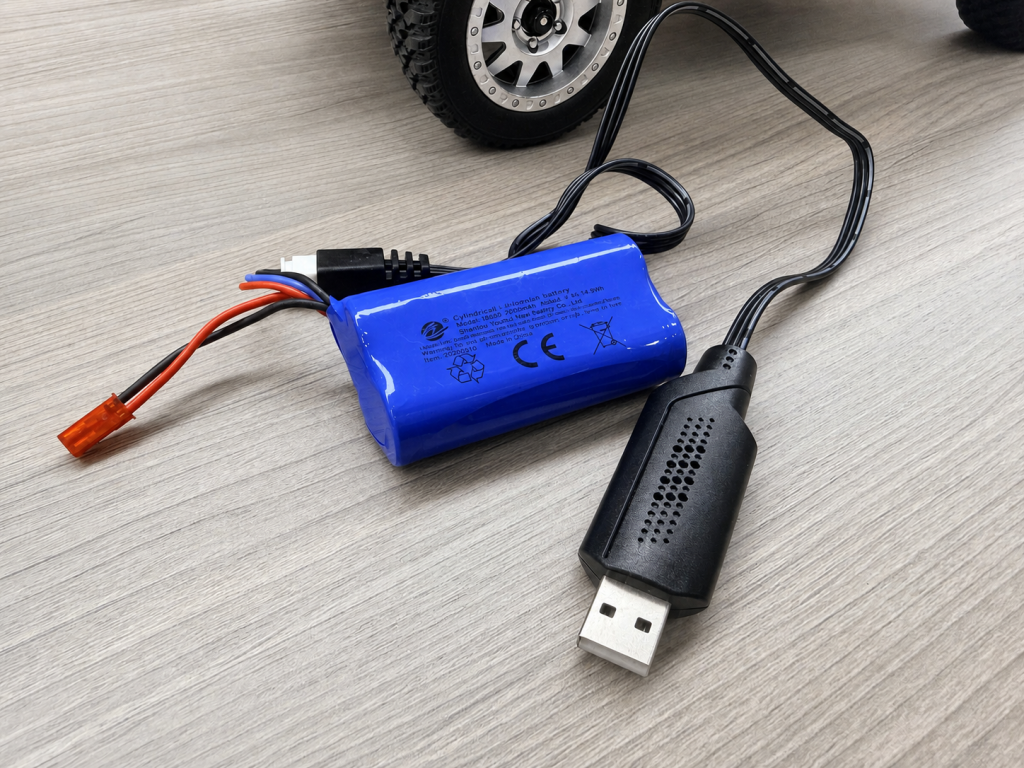
Why RC Car Battery Shipping Gets Held at Customs
RC car battery shipping is usually not stopped because the battery is unsafe. They are stopped because the paperwork does not match the battery inside the box.
Four common problems can cause delays:
● The shipment has the wrong UN number.
● The UN38.3 test report is for a different battery.
● The battery charge is too high for air shipping.
● The safety data sheet uses old rules.
How Your RC Cars Are Classified for Shipping
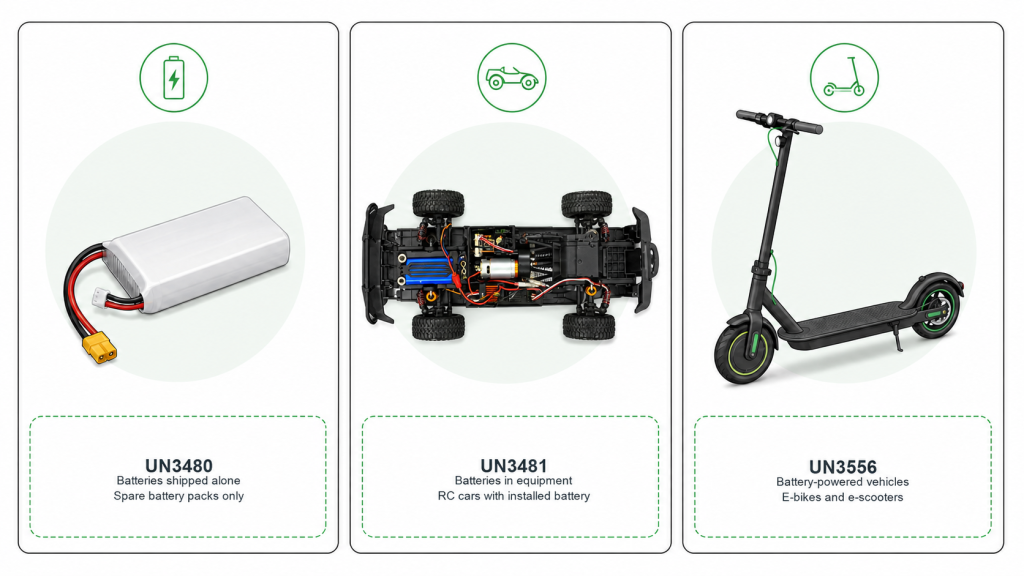
An RC car with a lithium battery is called UN3481. UN3481 means lithium-ion batteries are inside or packed with equipment. It is a Class 9 dangerous good.
An RC car is not UN3480. UN3480 is for batteries that ship by themselves. An RC car is also not UN3556. UN3556 is for vehicles that use lithium-ion batteries. Examples include e-bikes and electric scooters.
An RC model car is equipment, not a real vehicle, for shipping purposes. This difference is important. UN3556 has stricter shipping rules. These rules can also increase shipping costs.
There is another important point about LiPo batteries. LiPo is not a separate RC car battery shipping category. For shipping, a lithium polymer battery is treated as a lithium-ion battery. It uses the same UN number and follows the same basic shipping rules. You may also hear about a 2026 rule change. From January 1, 2026, the old UN3171 entry cannot be used for lithium-ion or sodium-ion powered vehicles. Three new UN numbers replaced it.
This change does not affect your RC car order. These new rules mainly apply to e-bikes, scooters, and other electric vehicles.
| UN number | What it covers | Applies to your RC order? |
| UN3480 | Lithium-ion batteries shipped alone, no device | Only if you order spare packs as separate stock |
| UN3481 | Lithium-ion batteries contained in or packed with equipment | Yes — this is your shipment |
| UN3556 | Vehicles powered by lithium-ion batteries | No — covers vehicles carrying persons or goods |
Battery Installed vs. Battery Packed Separately: The Rule That Changed in 2026
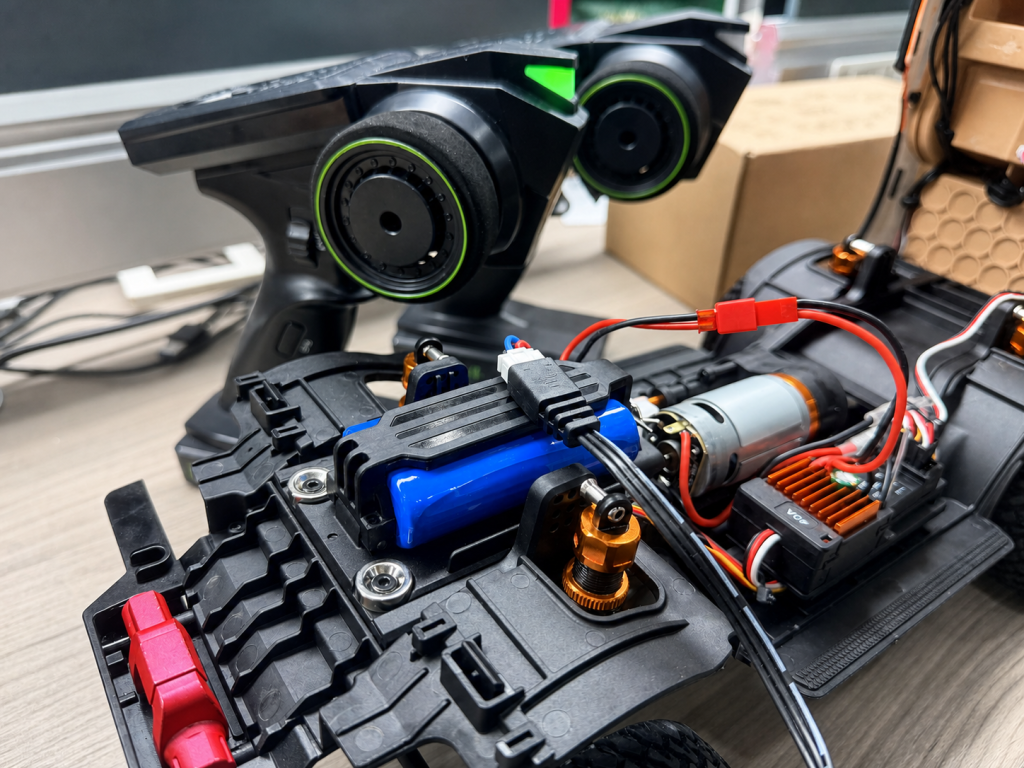
Where the battery sits inside the box decides which RC car battery shipping rule applies to your order. If the battery is installed in the car, Packing Instruction 967 (PI 967) applies. If the battery sits loose in the retail box, Packing Instruction 966 (PI 966) applies.
Before 2026, this difference was mostly paperwork. It is not anymore. From January 1, 2026, the IATA rules say batteries packed with equipment under PI 966 must ship at 30% charge or less when the cell is over 2.7 Wh. This limit is now mandatory. Under PI 967, for batteries installed in the car, the same 30% figure is only a recommendation.
The commercial effect is easy to miss. Two boxes can hold the same car and the same battery. One box has the battery clipped into the car. The other has it sitting in a tray beside the car. Those two boxes now follow different mandatory rules on an aircraft.
Think about how an airline treats passengers. Your phone in your pocket is treated one way. A loose spare battery in your bag is treated another way. A loose battery can move, touch metal, and short circuit. The shipping rules use the same logic for your cartons. Most retail packaging puts the battery in a separate tray, which changes the RC car battery shipping rule that applies.
If the charge is over 30% under PI 966, the shipment needs approval from the country of origin and the country of the airline. In practice, a toy shipment does not get this approval. So treat the limit as fixed.
All JXC batteries are installed inside the RC car before packing. They are not placed loose in the retail box or anywhere else in the carton.
This means JXC shipments follow PI 967, not PI 966. Under PI 967, the 30% state of charge limit is a recommendation, not a legal requirement. The mandatory 2026 RC car battery shipping rule for batteries packed separately does not apply to JXC orders.
Watt-Hour Ratings and Why They Decide Everything
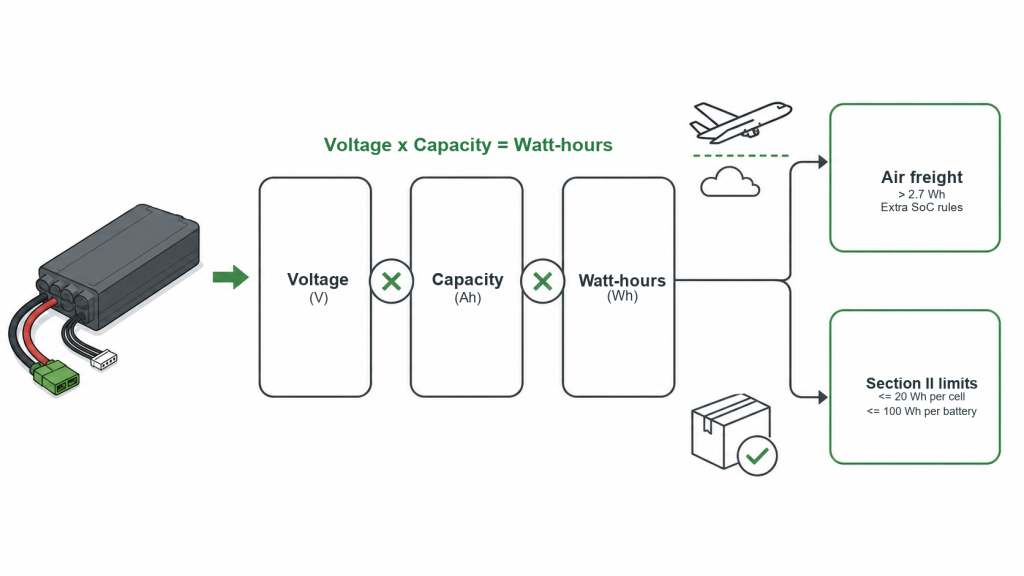
Watt-hours help to decide which shipping rules apply to the battery. You can calculate watt-hours very easily:
Volts × Amp-hours = Watt-hours
For example, a 7.4 V battery with 1.5 Ah has:
7.4 × 1.5 = 11.1 Wh
Air shipping has different limits for batteries. Batteries over 2.7 Wh have extra charge rules. Cells must be 20 Wh or less, and batteries must be 100 Wh or less to use the simpler Section II shipping rules.
Batteries over 100 Wh must follow stricter Section I rules. Most RC car batteries fall below these limits, which keeps RC car battery shipping simple. This can make shipping easier and cheaper. However, the battery ratings must be clearly written in the documents.
| Threshold | What changes above it |
| 2.7 Wh per cell or battery | Mandatory 30% state of charge limit applies under PI 966 |
| 20 Wh per cell | Leaves Section II, full Section I requirements apply |
| 100 Wh per battery | Leaves Section II, full Section I requirements apply |
| 5 kg net battery weight per package | Section II package limit |
You should always get the watt-hour number in writing, because it goes on your RC car battery shipping documents. Do not only discuss it on a phone call. The watt-hour number goes on your air waybill and customs declaration. The number on the documents must match the number on the battery label.
If the numbers are different, the shipment can be delayed. There is one more important thing to know. Section II does not mean the battery has no rules. It only means the shipment has less paperwork. Section II batteries are still treated as dangerous goods. You still need the correct marks and labels. So, do not skip the marks just because the shipment is under Section II.
These are the watt-hour ratings for JXC models:
| Model | Supplied battery | Watt-hour rating |
| SP4301 | 3.7 V, 380 mAh | 1.41 Wh |
| LC5826 | 7.4 V, 1,200 mAh | 8.88 Wh |
| LR1801 | 7.4 V, 380 mAh | 2.81 Wh |
| JXC5813A (2WD) | 3.7 V, 500 mAh | 1.85 Wh |
| JXC5813B (4WD) | 7.4 V, 380 mAh | 2.81 Wh |
Every JXC pack is under 20 Wh per cell and under 100 Wh per battery. So all models qualify for the simpler Section II shipping rules.
State of Charge: What the 30% Rule Means in Practice
State of charge (SoC) tells us how much charge a battery has.
RC car battery shipping by air now limits how much charge a battery can have. The battery should have no more than 30% of its rated capacity. If a device shows the battery level, it should show 25% or less.
The shipper is responsible for making sure this rule is followed. The factory must make sure the batteries leave with a low charge. The batteries should stay at this level until they reach the buyer.
Think about a car with fuel. A car with less fuel in the tank has less energy than a car with a full tank. So, if both crash, the one with less fuel has less energy. The factory does not choose the battery’s rated capacity. The UN Manual of Tests and Criteria gives the method for finding this number. This document also covers UN38.3 testing.
Some buyers ask factories to send batteries fully charged. They want the RC cars to work as soon as they open the box. This can be possible for sea shipping, but air shipping has stricter rules. For air shipping, the batteries must have a low charge. Store workers can charge the batteries after they arrive.
Packaging Requirements for Lithium Batteries
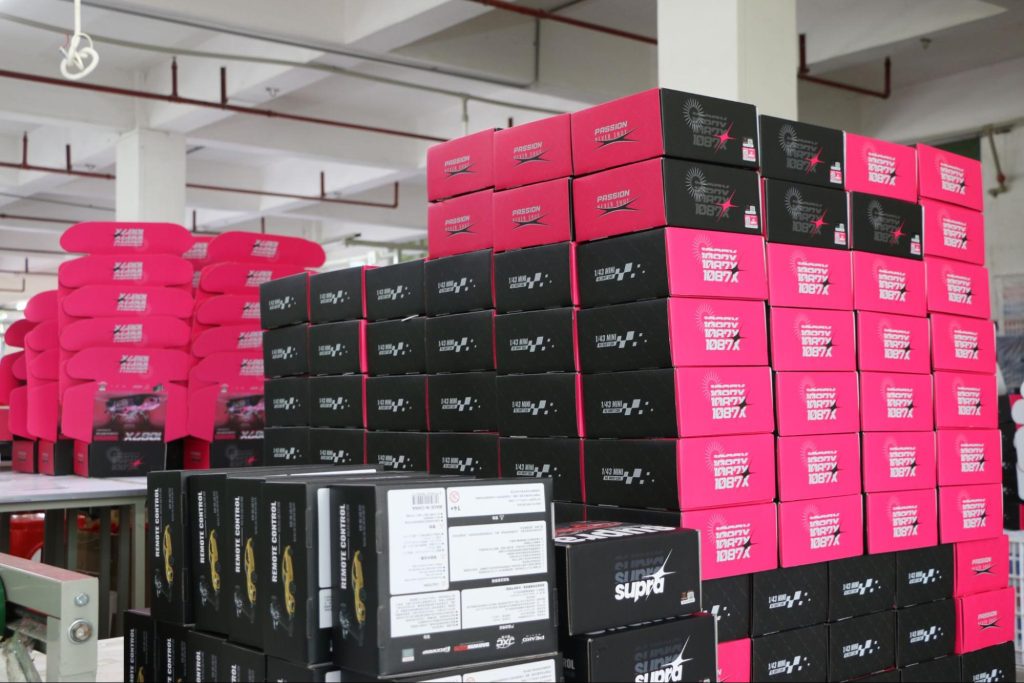
box needs to keep them safe… RC car battery shipping starts with the box. It needs to keep the batteries safe in a few simple ways. It should stop the batteries from short-circuiting, prevent the device from switching on accidentally, and protect everything during normal handling.
For Section II shipments, you don’t need UN-approved packaging. You still need a strong, rigid outer box, though, and it must be able to handle a 1.2-meter drop without the batteries or contents coming out.
The 2026 rules also added a stacking test. The package must handle pressure similar to being under a 3-metre stack for 24 hours.
Most packages also need a lithium battery mark showing UN3481. However, there is an exception for small shipments containing up to four cells or two batteries installed in equipment, with no more than two packages in the shipment.
One important thing people often forget is preventing the device from turning on accidentally.
For example, RC cars often have exposed power switches. If something presses the switch inside the box, the car could turn on and create heat. The packaging should therefore keep the switch protected, either with a moulded tray or a physical cover/block.
Here are three simple things to remember:
1. Put the battery mark on the outer carton:
Do not put it only on the retail box. The outer carton is what shipping handlers will see.
2. Give the forwarder the right information:
The airway bill should have the correct Section II statement. The factory needs to provide the forwarder with the correct information so everything can be filled out properly.
3. Keep the drop-test report:
The drop test is required for Section II packages. Ask for a test report for your actual packaging, not just a general report for another type of box.
Sea Freight: IMDG Code Amendment 42-24
Most large RC car orders are shipped by sea. Sea shipping follows the IMDG Code. It does not use the IATA rules. A new IMDG rule, called Amendment 42-24, became required on January 1, 2026. It replaced the older Amendment 41-22.
The main change for buyers is about paperwork. Section 14 of the Safety Data Sheet (SDS) must now mention Amendment 42-24. If an SDS still mentions Amendment 41-22, the carrier may reject it. This can delay your shipment.
Special Provision 188 still gives some easier rules for small lithium batteries. However, the batteries must meet certain conditions. You must also show these conditions in the documents.
This can cause problems when you order again from an old supplier. Your old SDS may have correct battery information, but the carrier can still reject it because it uses an old IMDG amendment. So, always ask for the latest revision date of the SDS. Do not only ask for the file. An SDS from 2023 may still use the old rules.
There are also two important things to know about RC car battery shipping from China. First, you may need a Dangerous Goods Transport Classification Identification Report. A Chinese testing body issues this report. It is different from the UN38.3 test report. This report is normal for dangerous goods shipped from China.
Second, air shipping and sea shipping need different documents. A supplier may have all the documents for sea shipping but not for air shipping. If you need air shipping for a quick order, ask the supplier for the air documents early. Preparing these documents at the last minute can delay your shipment.
RC Car Battery Shipping Documents You Should Receive
Every RC car battery shipping document set starts with a UN38.3 test summary.
These tests check things like:
● High and low air pressure
● Hot and cold temperatures
● Vibration
● Shocks
● Short circuits
● Impact
● Overcharging
● Forced discharge
The UN38.3 test summary has been required for battery shipments since January 1, 2020. There is one important thing to remember. The test summary is for the battery cell, not the RC car factory.
| Document | Issued by | Covers | What to watch for |
| UN38.3 test summary | Accredited test laboratory | The battery cell | Carries the cell manufacturer’s name. Ask for a current one if the cell supplier changed. Generally expected to be no more than three to five years old. |
| Safety data sheet (MSDS/SDS) | Battery manufacturer | Battery chemistry and handling | Section 14 must reference IMDG Amendment 42-24. Check the revision date. |
| Dangerous goods transport classification report | Chinese testing body | The shipment | Required for China-origin shipments. Not the same as UN38.3. |
| 1.2 m drop test report | Factory or test lab | The package | Applies to Section II packages |
| Watt-hour rating declaration | Factory | Each model | Should be per SKU and in writing |
| Packing configuration photos | Factory | The retail box | Proves installed vs packed separately. Settles classification questions fast. |
Two simple habits can help you avoid problems.
1. Ask when the battery needs a new test.
A new battery cell supplier or a battery design change may need a new test. If you order again after 18 months, ask if the battery cell has changed. Do not assume the old UN38.3 test summary is still correct.
2. Ask for the documents with the proforma invoice:
Do not wait until the shipping documents are ready. By that time, the goods are already packed and the battery type is fixed.
Asking early gives you time to check the documents and fix any problems.
RC Car Battery Customs Clearance: What Trips Importers Up
Battery shipments are often delayed because the documents do not match the goods. Five common problems can cause delays:
- The UN number does not match the way the battery is packed.
- The test summary is for a different battery cell.
- The Safety Data Sheet uses old rules.
- The outer box has missing or wrong marks.
- The watt-hour number on the documents does not match the battery label.
These problems are easy to prevent. But they can be expensive to fix after the goods have started shipping.
What to Ask Your Supplier Before You Book Freight
Seven simple questions prevent most RC car battery shipping problems. A supplier who ships lithium batteries regularly should be able to answer all seven questions easily. If a supplier cannot answer them, the goods may not be ready for your chosen shipping method.
| Ask | Why it matters |
| Is the battery installed in the car or packed separately in the retail box? | Decides PI 966 vs PI 967 and whether the 30% state of charge limit is mandatory |
| What is the watt-hour rating of each model’s pack? | Decides Section I vs Section II and goes on your declaration |
| At what state of charge do batteries leave the factory? | Cannot be corrected after packing |
| Can you send the UN38.3 test summary for the cell currently in production? | Currently in production matters—cells change between runs |
| What is the safety data sheet revision date, and does Section 14 cite IMDG 42-24? | Documents citing 41-22 are invalid after 1 January 2026. |
| Do you have a drop test report for this retail packaging? | Required for Section II packages |
| Can you send photos of the packed retail box and master carton with marks visible? | Settles classification questions before goods ship |
Getting Battery Documents from JXC
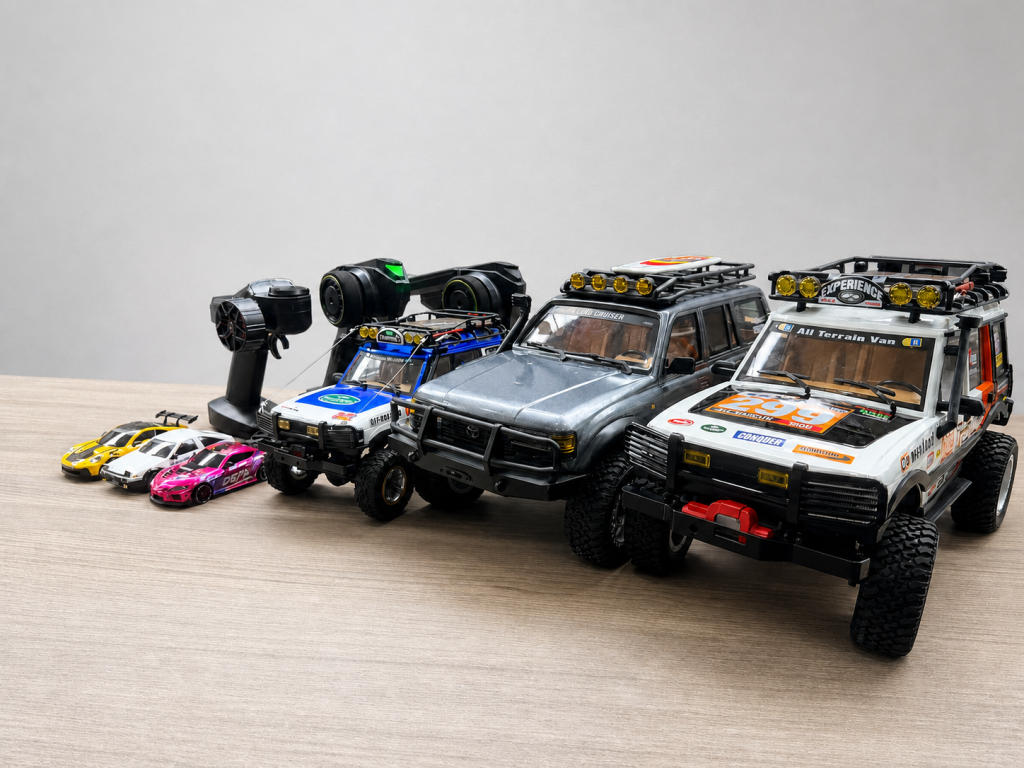
You can request the RC car battery shipping documents before you place an order. This lets you check them before you commit to anything.
Documents available on request include:
● UN38.3 test summary for the battery cell
● Safety Data Sheet (SDS)
● Watt-hour information for each model
● Photos of the retail packaging
These documents help you check the correct shipping rules for your order. Tell us which RC car models you want to buy. Also tell us if you want to ship them by air or by sea. We will send you the correct battery documents and the wholesale prices. Request battery documents and wholesale pricing: https://www.jxcmodel.com/wholesale/
Frequently Asked Questions
Do RC cars need UN38.3 certification?
The battery needs UN38.3 testing. The test summary shows that the battery passed the required safety tests. The document usually has the battery cell maker’s name, not the RC car factory’s name.
Can RC cars with lithium batteries be shipped by air?
Yes, they can. However, air shipping has battery size, charge, and packing rules. Most RC car batteries are within the easier Section II limits. Section II still has dangerous goods rules, so the correct labels and documents are needed.
What is the watt-hour limit for RC car batteries?
For the simpler Section II shipping rules, each battery must be 100 Wh or less, and each cell must be 20 Wh or less. There is also a 5 kg battery weight limit per package. Batteries above these limits need stricter shipping rules.
Why do batteries have to ship at 30% charge?
A battery with less charge stores less energy. This makes it safer during shipping. For some air shipments, the battery must have 30% charge or less.
Is a LiPo battery different from a lithium-ion battery?
No. For shipping, a LiPo battery is treated as a lithium-ion battery. It follows the same basic shipping rules.