
Table of Contents
Introduction
Returns eat profit faster than anything else in wholesale. We’ve seen distributors lose 15 to 20 percent of their margin just from returns on RC toys. That’s not a small number. It’s the difference between a good year and a bad one. So, it’s necessary to reduce RC toy bulk return rate when you running your business.
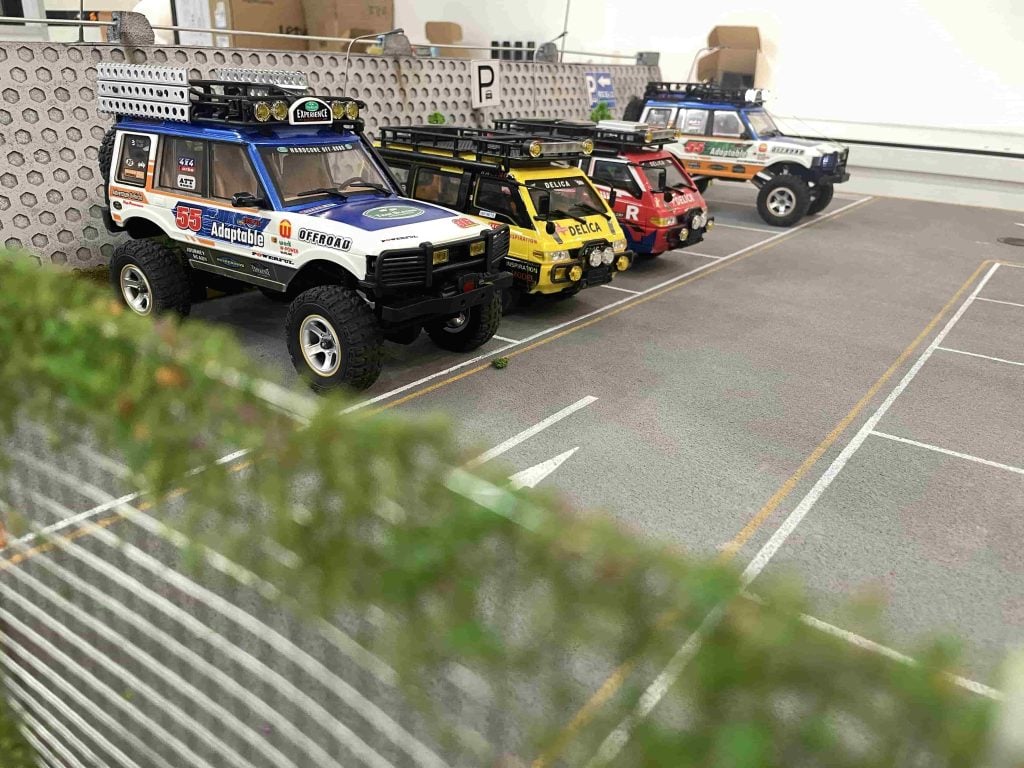
We run JXC Model Technology’s factory floor every day, building models like our LC80 1/12 RC crawler, and we ship RC cars to distributors across more than 40 countries. We know exactly why returns happen: weak batteries, missing screws, performance that doesn’t match the sample. The patterns repeat across every market, every season.
This article gives you a practical playbook. You’ll learn how to stop the most common return triggers before products reach your warehouse. We’ll share what we do on our production line to keep return rates under 2 percent. No theory. Just stuff that works on real shipments and real store shelves.
Why RC Toy Returns Happen More Than You Think
Returns don’t come from one big problem. They come from five small ones that add up fast.
Battery failure tops the list.
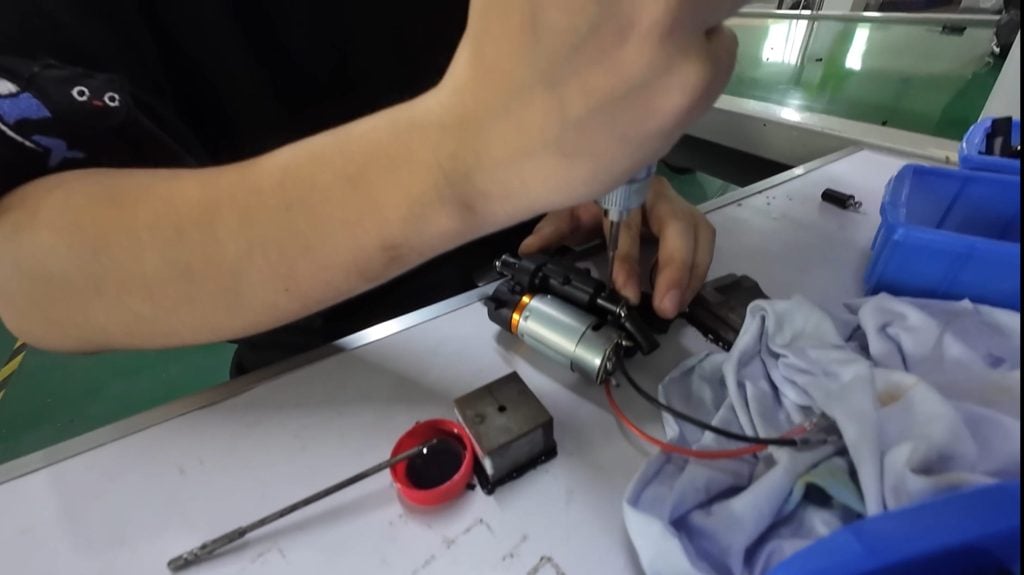
We tested 200 returned RC units at our factory last year. Forty-seven percent came back because of dead or swollen batteries. Cheap lithium cells look the same as good ones in product photos. They’re not. When a kid opens a birthday present and the car runs for 3 minutes instead of 30, that toy goes back to the store. And the store calls you.
Missing accessories is the second biggest headache.
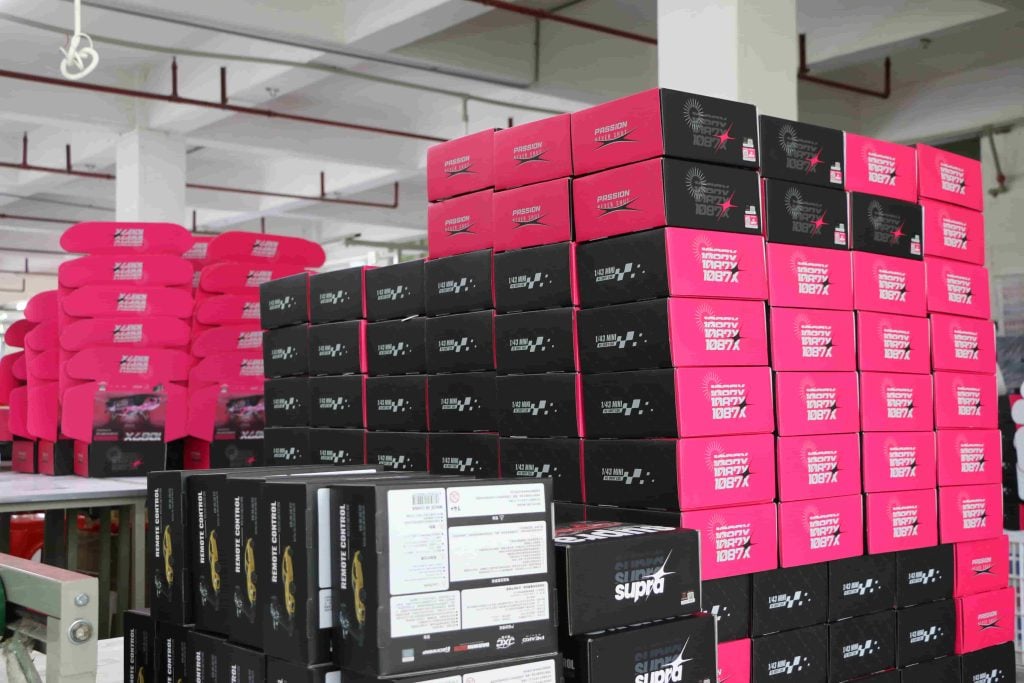
A car shows up without the remote. Or the USB charger is missing. Or the extra drift tires aren’t in the box. These look like small mistakes. But each one means a full product return. One of our European distributors told us they were getting 8 percent returns on a competitor’s drift cars. The issue? The packaging line wasn’t counting parts before sealing boxes.
Performance gaps between the sample and the bulk order cause real trust problems.
You test a sample. The steering is tight. The speed is right. Then 1,000 units arrive and the motors sound different. The suspension is softer than what you tested. Your customers notice before you do. By then, the return requests are already coming in.
Customs detention is a hidden return driver.
Products stuck in customs aren’t technically returns. But when your shipment gets held because of missing CE or CPC certificates, your customer cancels the order. They want product on shelves, not paperwork at the border. Six weeks of detention equals a lost season and a lost customer.
Pre-Purchase Loss Control: How to Stop Returns Before Ordering
You can prevent 70 percent of returns before you place the first order. It starts with sample testing. Not the quick ‘looks good’ kind. The kind that catches problems before they become container-sized headaches.
Pull a sample apart. Literally.
Open the box. Run the car for a full battery cycle. Then run it again. Check every accessory against the packing list. We tell every new distributor to do a 3-unit sample test: one unit for performance, one for packaging integrity, one to keep as a quality reference for the bulk order. If the factory won’t send three samples, that tells you something important about how they operate.
Ask for the factory’s QC checklist.
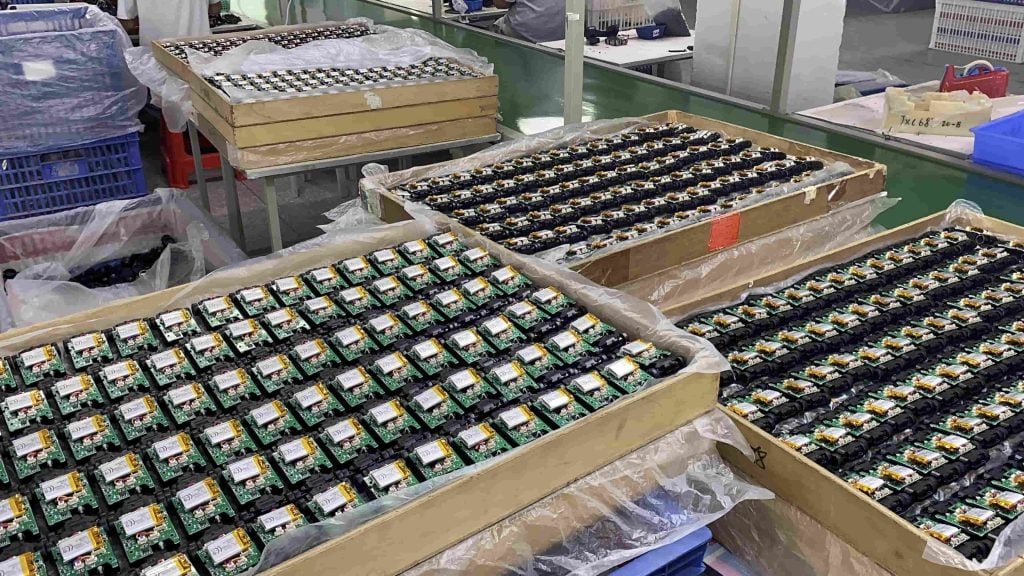
Every serious factory has one. If they can’t show it to you, they don’t have it. Our QC checklist at JXC Model covers 23 points on each unit: battery voltage, motor draw, steering response, body paint adhesion, screw torque, packaging seal integrity. We check these before anything leaves the line. You should know what your supplier checks — and what they choose to skip.
Verify certifications before production starts. Not after.
We had a distributor in the Middle East who ordered 2,000 units from another factory. The products were made, boxed, and sitting at the port. Then customs asked for the GCC certificate. The factory didn’t have it. That shipment sat for six weeks. The distributor lost the peak selling season. Ask for certification PDFs before you pay the deposit. Check the validity dates. Match them to your target market requirements.
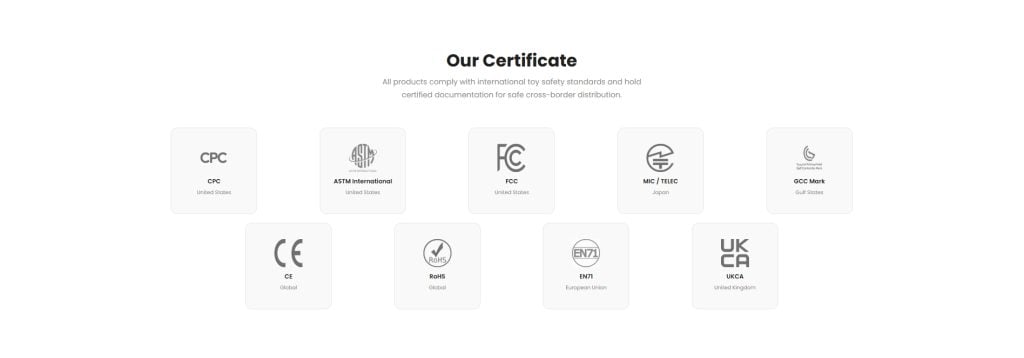
Demand a pre-production sample.
This is different from the initial sample. The pre-production sample comes from the first run of your actual order. Same materials, same production line, same workers. If something changed between the original sample and the real order, this is where you catch it. At JXC, we ship a pre-production sample to every new distributor as standard practice. It adds 3 days to the timeline. It saves weeks of returns later.
Return Prevention vs Correction: Cost Comparison
| Action | Timing | Cost per Unit | Return Reduction |
|---|---|---|---|
| 3-unit sample test | Before ordering | $0 (if factory provides) | 60-70% |
| QC checklist review | During supplier vetting | $0 | 40-50% |
| Certification pre-check | Before production | $0-50 verification fee | Eliminates customs returns |
| Pre-production sample | Before bulk run | $30-80 shipping | Catches batch drift |
| Spare parts in order | During ordering | $0.50-1.20/unit | 50%+ return reduction |
| After-sales support guide | Post-shipment | $0 | Reduces false-return rate 30% |
Bundle Spare Parts With Every Bulk Order
This is the simplest return-reduction tactic most distributors skip entirely.
Every RC toy that ships should come with spares. A set of extra screws. A backup USB cable. A replacement set of tires for drift cars. An extra suspension arm for crawlers. These parts cost the factory pennies. But they stop a three-dollar missing screw from turning into a fifty-dollar product return.
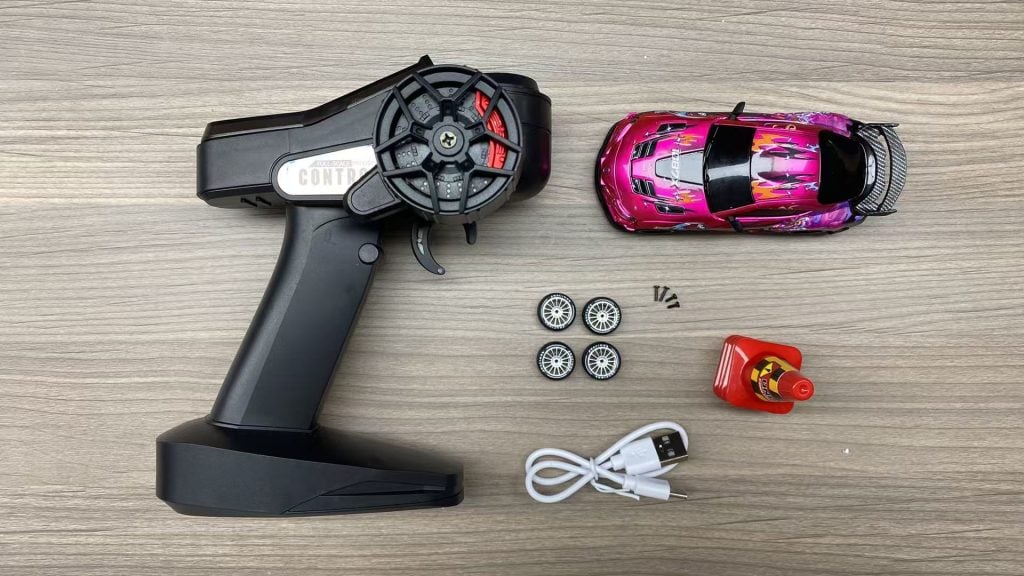
We ran the numbers on this at JXC. When we started including a small spare parts kit with every LC80 crawler order, our distributors’ return rates dropped from 4.2 percent to 1.8 percent. That’s more than half. The parts kit costs about eighty cents per unit. The average return costs twelve dollars in shipping and handling alone. Do the math.
If you’re still choosing a factory, our guide on how to find a reliable RC toy supplier breaks down the eight checks we run before signing — spare parts policy included. Once you have a partner, ask about their spare parts policy. If they stock spare parts for two or more years after a product launch, that’s a green flag. If they cannot supply replacement bumpers, tires, or remotes six months after you order, walk away. RC toys break. It’s part of the hobby. A distributor without spares is a distributor with unhappy customers.
When you place a bulk order, add a line for spares. Three to five percent of the order value in spare parts will cover most return situations. Label them clearly. Give your retail customers a way to get replacements within days, not weeks. A store owner who can fix a customer’s problem in five minutes keeps buying from you. One who waits three weeks for a part from China finds another supplier.
Give Your Retail Customers an After-Sales Package
Your return rate isn’t just about factory quality. It’s about what happens after the sale.
Create a simple troubleshooting guide.
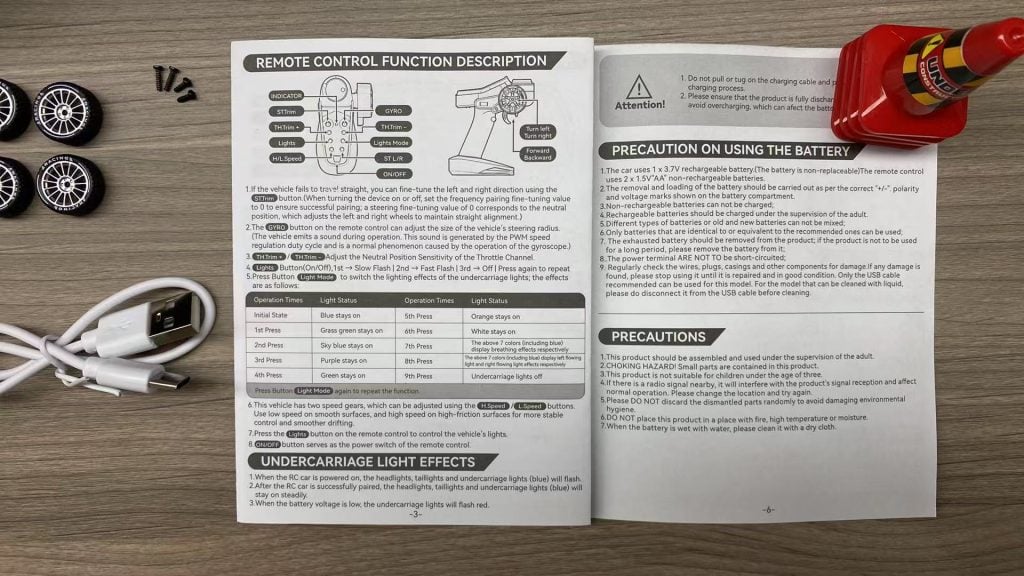
One page is enough. Common issues: ‘Car won’t turn on? Check the battery is fully seated.’ ‘Remote not pairing? Hold the bind button for 3 seconds.’ Put this in the box or give it to your retail customers as a one-page PDF. Most products labeled as ‘defective’ returns aren’t defective at all. The customer just didn’t know how to pair the remote. We saw a 30 percent drop in ‘not working’ returns from one distributor after they added a simple setup card to the box.
Set up a fast replacement process.
When something is genuinely broken, speed is everything. A customer who gets a replacement part in three days tells five friends about the great service. A customer who waits three weeks tells everyone on social media about the terrible experience. We ship replacement parts to our distributors within 48 hours of a confirmed issue. That’s not a nice-to-have. It’s the standard we set because we saw what slow response did to our distributors’ reputations.
Train your retail buyers.
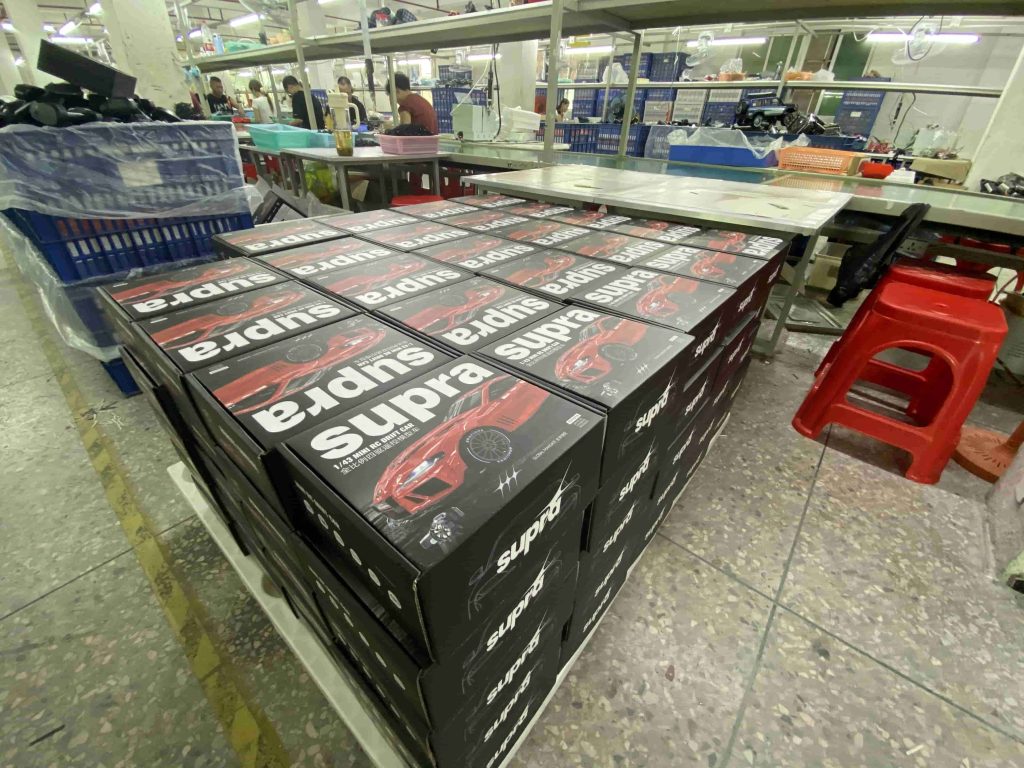
Send them a five-minute video showing how to demonstrate the product in store. Show them which features get customers excited — the working lights on our Supra drift car, the suspension travel on the LC80 crawler. A product that’s demonstrated well sells better. And a customer who understands what they’re buying is far less likely to return it because it ‘wasn’t what they expected.’
FAQ
What’s a normal return rate for RC toys in wholesale?
Under 3 percent is good. Under 2 percent is excellent. Above 5 percent, you’re losing money on every shipment. We’ve seen some distributors hit 8 to 10 percent with low-quality suppliers. At that point, the margin math simply falls apart. Track your rate by supplier, not just overall. One bad supplier can hide in your averages.
How do I check battery quality before ordering?
Ask for the battery cell specification sheet. Look at the discharge rate and cycle count. Good cells list 300 or more charge cycles. Cheap ones list nothing — because the numbers are embarrassing. Also ask about battery safety testing: overcharge protection, short circuit protection, temperature cutoff. If a factory can’t answer these questions immediately, the batteries are probably the cheapest ones on the market.
Should I pay extra for 100% inspection instead of random sampling?
For your first two orders with a new factory? Yes. Pay the upcharge. Our data shows that factories trying to win your business put their best effort into the first order. After that, quality sometimes drifts. 100 percent inspection on your first full container order catches that drift. After three or four consistent orders, you can move to AQL sampling with confidence.
What if the factory won’t include spare parts in the order?
That’s a major red flag. A factory that won’t sell you spare parts doesn’t have spares to sell. Which means they don’t stock them. When a customer needs a replacement bumper in six months, you’re out of luck — and so are they. We keep spare parts inventory for every product we make at JXC, going back three years. A real factory does that. A trading company that disappears after one order doesn’t.
How do I handle returns from my retail customers without destroying my margin?
Build a return buffer into your pricing. Add 2 to 3 percent on top of your target margin to cover replacement parts, shipping, and handling. Then work to earn that buffer back by keeping your actual return rate below your estimate. The spread between your buffer and your actual return cost becomes extra profit. Smart distributors treat this like a performance metric, not an insurance premium.
Want to become a JXC Model RC car Distributor?
At JXC Model, we go extra miles to ensure our quality match customer requirement, so that our dealer and distributors will focus on sales and promotion for their RC car toys business. From batteries to accessories, chassis to body shells, all parts are made with quality material and high standards. If you are in the RC toys business, go and find out how JXC model can help you get more traffic and business revenue.